Category Archives: Coaching
Losing Doesn’t Build Character – It Reveals It

Today’s post was actually suggested to me by my partner in podcasting Jay Bolden of BeBold Fastpitch. Not sure why he didn’t keep it for himself since he writes some great posts on his own Facebook page, but I will definitely take it. Thanks, buddy!
I think we’d all agree that it’s easy to look like a good coach, and a good person, when your team is winning., because it’s true that winning covers up a lot of other problems. You may be the most clueless coach in the world, but if your team is winning a lot more than it’s losing no one is likely to have any complaints.
That’s understandable. As Nuke LaLoosh says, winning is a lot more fun than losing.

Where you truly see the measure of a coach, however, is when things aren’t going so well. When the team is having a rough season, or maybe just going through a rough patch, how the coach reacts reveals a lot about who he or she really is.
First, let’s talk about how a good coach will or should handle losing, just to do a little level-setting.
No one likes losing. I know I sure don’t, and especially didn’t when I was coaching teams. I was one of those “I hate losing more than I like winning” types.
So with that in mind, you have to look at WHY you’re losing. The first place a good coach will look is in the mirror, asking questions such as:
- Have I been training my team well enough?
- Have I been making good decisions about who is on the field?
- Have I been putting together the most potent batting order, based on facts, not feelings?
- Have my in-game decisions been good ones?
- Are we playing the right level of competition?
- Are our strategies appropriate for the personnel we have?
- Have I built an atmosphere where players are playing with confidence or with fear?
That’s a great starting point. But the truth is you could be doing all the right things and the team is still losing. The softball gods are funny that way, and when you make them angry for some reason you may have to sacrifice a chicken to get back on track.

If you noticed, all of the above had the coach looking inward, at him or herself first, to ensure that the problem isn’t staring him or her in the mirror.
Now let’s talk about what bad coaches do: they blame. They will:
- First and foremost blame their players for not playing well enough or trying hard enough.
- Blame their facilities or their budgets for not giving them enough money to be better.
- Blame the administration for not supporting them.
- Blame the parents (yes, even in college) for expecting too much, or questioning the coach, or I suppose for not having better DNA.
- Blame the umpires for not calling a fair game.
- Blame whoever happens to be out of earshot at the time.
- Blame whoever happens to be in front of him or her.
I’ve heard stories where a coach’s idea of coaching is to essentially yell at her players to “play better.” That’s the sum and total of her advice.
No advice on HOW to play better after a problem, such as stay down on a ground ball, or go for the lead runner first, or you have to look up to see where the ball is before trying for another base, or anything else helpful like that, So it’s no surprise when the same problems keep coming up. Thanks, coach.
We’ve also all seen the coaches who scream at their players, telling them how bad they are after they make a mistake. No attempt to build a positive atmosphere, or encourage them instead of letting them get down on themselves. Just constant berating.
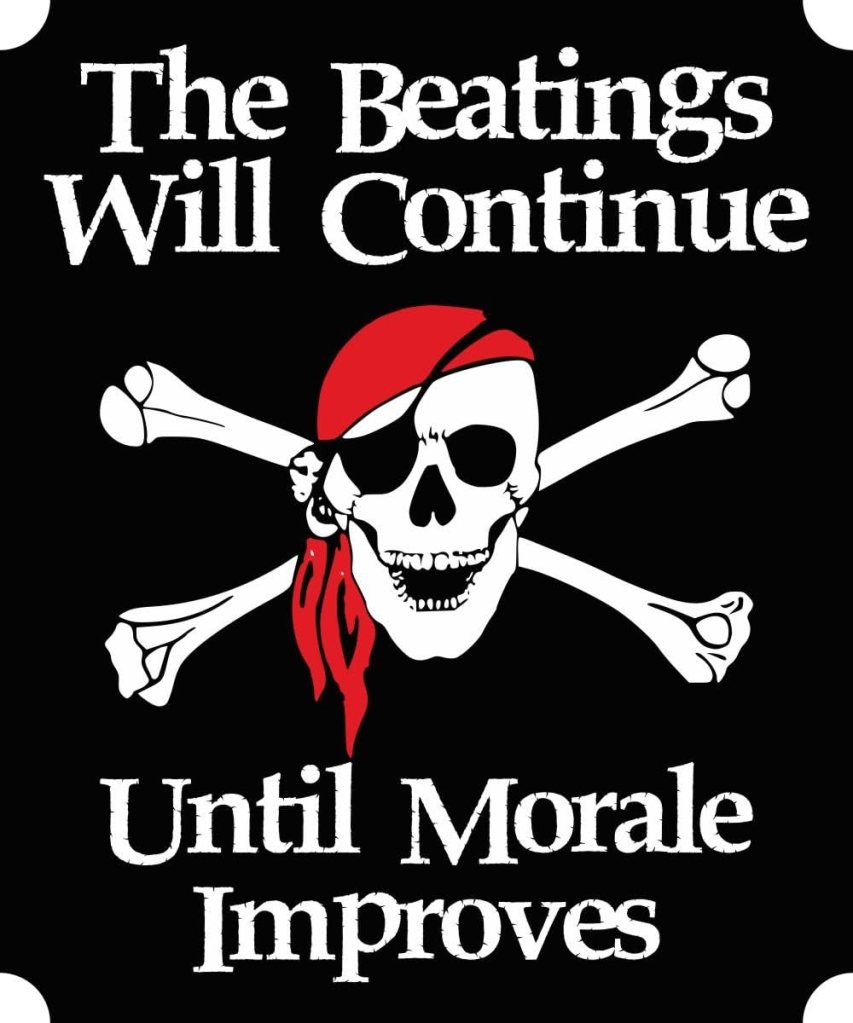
And do things get better? Maybe by luck sometimes. But for the most part, that type of approach is counter-productive for one simple reason: it’s addressing the wrong problem.
Look, no one likes to lose. Some take it harder than others (like me) but no one actually likes it.
So screaming about it or blaming others doesn’t address the core issue. It’s an attempt to cover it up with bluster instead.
So what types of things does losing reveal about a coach’s character? One is their maturity level.
Good coaches will attempt to work the problem and maybe change the atmosphere or the mindset if needed to try to change the outcomes. They will look to support their players, and look for solutions to the problems the team is facing.
Bad coaches will deflect the problems and substitute anger and noise for a thoughtful approach. They don’t know what to do to change things so they throw tantrums in the moment in an attempt, I suppose, to hide their lack of a viable solution.
Losing also reveals their ability to see the larger picture. Good coaches know they will get through the current series of loses, and develop a plan to help expedite that process.
Bad coaches let their emotions take over and focus on the immediate.
Then there’s the worry about what others think of them. Both good and bad coaches will often have that concern. I mean, after all, we all want to be thought of as being good at what we do.
But good coaches understand they have to set those temporary perceptions aside; after all, if all else was the same except for the won-loss record, those people calling for their heads would instead be scheduling a parade.
Good coaches realize they have to separate themselves from the current unfortunate circumstances and think about times when their teams were winning so they can clear their heads and address whatever the causes are. If they truly believe in what they’re doing, and stay true to it, they know the wins will come again.
Bad coaches, on the other hand, will try to cover up their insecurities by directing their anger and blame at others, never stopping to think about the fact that they may need to change what they’re doing or how they’re approaching the team in order to flip the script and back on track. And the more they let those negative thoughts creep in, the worse things are going to get for them.
As we often say, softball is a game filled with failure and adversity. There’s absolutely no reason to think those things will affect you as a coach at some point, or more likely many points, in your coaching career.
How you handle losing when it comes, though, will say a lot about who you are and what you truly believe in. It is entirely a test of character, graded on a pass-fail scale.
Be sure you’re ready to pass that test. Not just for the sake of your players, or your program, but for yourself.
Coaches: Stop Throwing Pitchers Into Games Cold
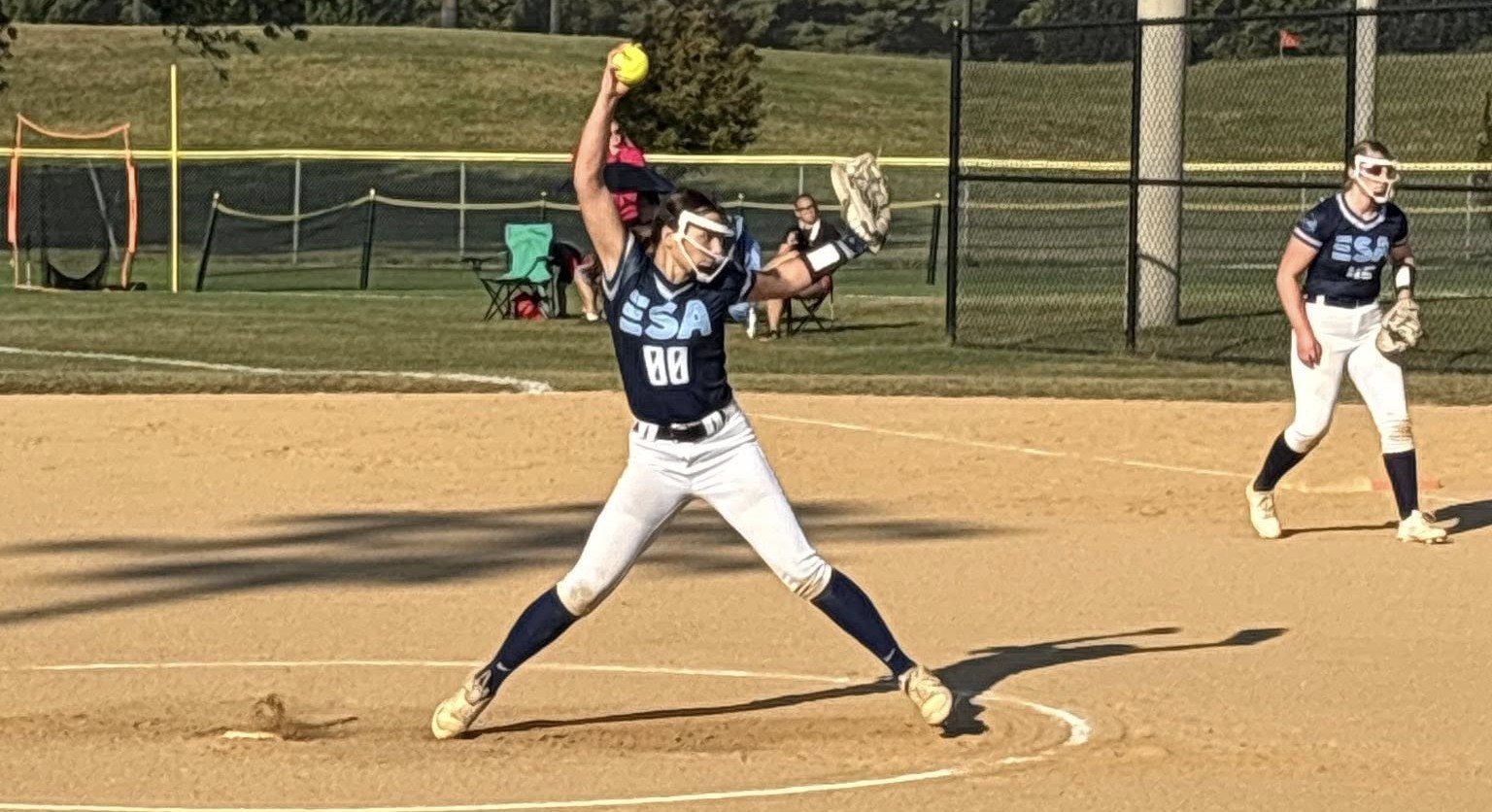
This is another one of those posts that you would think should generate a collective “duh” from the fastpitch softball world, but based on what I keep hearing it’s not quite as obvious as it would seem. So let me say this loudly for the people in the back:
Coaches, you need to stop putting pitchers into games without adequate time to warm up before they take the circle.
That’s true even of pitchers who warmed up before the game started. If you’re now in the second, third, fourth, or later innings, those pitchers still need some time before they go in to get themselves ready.
And the longer it’s been since they initially warmed up, the more important it is to give them time to go through the process again. Because it takes a certain amount of preparation to get ready physically and mentally, to get the feel of various pitches, the complex timing required, and to switch their heads from field player (or sitting on the bench) to being game-ready.
Look, I know sometimes your pitchers make it look easy when they step into the circle at the beginning of the game. They’re bringing good velo, they have command of their pitches, they’re ripping through batting orders like tissue paper.

As a result, you may think that it’s a switch they can throw and instantly turn into SuperStud. Trust me, it’s not.
It takes time to get ready. And there’s a “use it or lose it” factor built into it.
A pitcher who warms up before the game starts to cool with each passing minute if she’s not pitching in the game. To all of a sudden pull her in from left field or first base or wherever she’s playing currently and expect her to perform at her peak is not only unrealistic. It’s self-sabotaging.
Think about the situation. You wouldn’t be suddenly pulling her in from another position (or the bench) if things were going well for the team.
You’re pulling her in because they’re not, and you’re hoping she can put out the fire. Only she’s really not ready to perform at her peak, so there’s a pretty good chance that instead of making things better she’ll either keep them the same or make them worse.
Sure, you might get lucky and get the out you need to end the inning. But that’s probably going to be the exception.
The more likely scenario is you’ll get a walk, or a hit by pitch, or she’ll give up a meatball that goes sailing to or over the fence as she’s trying to find her groove.

The consequences of that decision may not just affect that game either. You may shake that pitcher’s confidence, especially if you get angry that she didn’t save you from your own bad decision, causing her to be overly cautious the next time out so as not to let you and the team down again.
More importantly, putting a pitcher into a game without adequate warm-up and then expecting her to perform at her highest level is a recipe for an injury – possibly one that is season-ending. No one wants that.
You would never see a Major League Baseball manager or a P4 head softball coach put a pitcher into a game without warming him/her up thoroughly first. Why would you think a younger or even high school-aged player could do it?
Ok, now that we’ve established that concept, the natural follow-up question is “how much time does that additional warm-up require?” After, all, the pitcher did spend some time before the game getting ready, so it shouldn’t be too much, right? Right?
The reality is it depends entirely on the pitcher. Some can warm up quickly, and maybe just need a little tune up before going into the game. They can probably get by with 10 minutes or less.
Others have a lengthy process they must follow in order to feel ready. It could take them 20 minutes or more to go through all their pitches to make sure they’re working properly.
As the person making the decision of when to put them in, you need to be aware of what each pitcher requires and then try to plan ahead so they’re ready to go when you need them. Just don’t wait until you’re already in trouble before you get them up and throwing.
If you think there’s any chance you’ll need a pitcher out of the bullpen/off the bench, get them warming up after 2-3 innings, just to be safe. If you’ll need to pull in a pitcher who’s already playing in the field, send in a sub, even if it’s mid-inning.
Better to have her ready and not need her than need her and not have her ready.
Coming in to pitch mid-game is often tougher on pitchers than starting one. Especially if the wheels are already coming off the wagon.
Giving your relievers enough time to warm up according to their individual needs will save you all a lot of heartaches, as well as give you a better chance of winning more games. It will also help prevent the type of injuries that can ruin a season.
Some Players Make You Look Like a Better Coach; Others Make You Become One
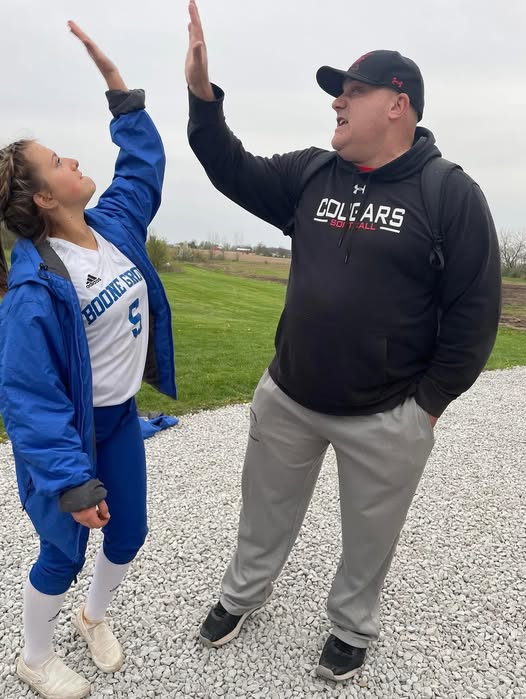
Anyone who has coached for any period of time knows there are basically two types of players.
The first type makes you look like a better coach. You know the type.
You can pretty much tell them anything – even if it’s the stupidest possible thing you could say – and they will be successful. They have the raw athleticism to find the right way to do things because their bodies just intrinsically understand how to move.
You can put them into a position they’ve never played before and they will look like they’ve been doing it all their lives. In fact, people on the sidelines will probably wonder why you HAVEN’T had her there the whole time.
Then there are those who make you become a good coach.
They have not been blessed with tremendous natural athleticism. While some are reasonably competent on their own, many have no real idea how to move their bodies in anything even resembling an athletic way.
You how them how to swing a bat and then they stand flat-footed and pull the bat around as if it’s a sledgehammer. You try to show them how to catch a ball and it looks like they’re afraid it’s going to bite them.
You try to show them how to throw the ball back and it looks like someone trying to unfold a one-person tent (or put away one of the old Jugs pop-up nets).

And pitching? Fuhgeddaboudit. If there’s a way to do it right, she will immediately find its polar opposite.
The ones who make you look like a good coach are really fun to work with, no doubt about it. And they’re good for the ego too.
A lot of coaches love to point to their very best players and show them off as though it was their great teaching that made them the way they are. Surely the coach helped them with that process.
But as I always say, if it was the coach who made them so good then all of that coach’s players would be equally as good. They’re not.
Often, though, it’s the ones who make you a good coach who have the most impact on your life. First of all, you can’t just tell them any old thing and have it work.
You have to figure out how to explain things to them, or demonstrate things to them, in a way they can understand and then execute. Often that means being creative in your approach and coming up with ways of teaching you would have never done otherwise.

The good news is each of those is unique, which allows you to build your coaching toolbox and expand your coaching reference library tremendously. All of which helps you build your own confidence as well.
There is also a lot of satisfaction in teaching a player to do something she just wasn’t capable of doing before. Seeing her get her first hit in a game, or pitch her first strikeout, or make a great catch, or make a perfect throw across the infield to get the out for the first time, gives you a feeling of pride that simply can’t be matched.
There’s no doubt that the players who make you look good will help you win a lot of games. Appreciate them when they come along, but be sure to keep your contributions to their success in perspective.
While they can be more challenging, especially in the beginning, the players who make you a good coach will likely hold a special place in your heart because you’ll know you gave them an opportunity they would not have had otherwise. It’s still up to them to put in the work, but when they do it’s magic.
Why Coaching Different Levels Is Like Teaching in School

The other week I was waiting for my first lesson to come in when my friend and fellow coach Dave Doerhoffer sat down next to me sighing and shaking his head. Dave is an assistant coach at Vernon Hills High School (as well as a private hitting instructor).
As part of that role Dave, along with head coach Jan Pauly, helps oversee instruction for the Stingers travel teams that feed VHHS. On that day his head shaking had to do with the complicated instruction one of the coaches for a 10U team was giving to his players.
I won’t go into details to spare anyone embarrassment, but the gist of it was that while what was being instructed was technically correct for an older player, it was too much for a younger player who just needs the basics to absorb.
This is something that’s probably more common than most coaches and parents realize. Coaches go to a coaching clinic featuring D1 college coaches explaining how they teach this technical aspect (such as footwork at first base) or handle that situation (such as runners on first and third).
Then the travel coaches, all fired up as they ought to be, come back and try to apply those principles to their younglings. Usually with disastrous results. Players get confused, or don’t yet have the skills or experience to apply what’s being taught, and what should be good outcomes become bad ones instead.
Here’s where coaches can learn something from the way school subjects are taught. In language arts, math, science, etc., the early grades start with the very basics, allow their students to learn those, then build on that knowledge when they are ready and able to take the next step.
Take math, for example, Teaches don’t try to teach differential calculus or advanced algebra in first grade. (Thank goodness because I would have never made it out of first grade.)

They start with simple addition and subtraction, then move to multiplication and division. They continue to build on those skills little by little through multiple grades until they can handle more complex and more abstract mathematical principles.
It’s a slow build over time, not just jumping right to the difficult stuff because it’s cool or will make the teacher look good.
The same goes for vocabulary. Young students start with simple words they use and hear every day (except for those words), then learn more complex ones as their basic understanding grows.
Otherwise all that will happen is the teachers will obfuscate the intention in a torrent of enigmatic gibberish until any learning is diffused and the results are ineffectual. So there.
Coaches first need to put themselves into the shoes of their players, evaluate what those players know (if anything) about fastpitch softball, and work from there. Teaching them how to execute a trick play for first and third when those players can barely throw and catch just doesn’t seem like a good use of time or resources.

By the way, this doesn’t just apply to the very young, i.e., 8U, 10U, or 12U players. Ask some college coaches and they will probably tell you stories about good players who lacked basic knowledge on some aspects of the game, such as how to tag up on a fly ball and when you can run. (It’s when the ball is first touched, not when it’s caught.)
When I was coaching teams I learned the hard way not to assume your players know ANYTHING you THINK they ought to know. If you take the stance that if you didn’t teach it directly to them they don’t know it, no matter what they age, you will avoid some ugly surprises just when you need those least.
The bottom line is as a coach you need to look at what your players know and can do, then introduce new concepts that fit within those capabilities. Your players will learn the game better, in a more logical fashion, and you’ll avoid the preventable mistakes that keep us all up at night.
School photo by Ksenia Chernaya on Pexels.com
Person First. Student Second. Player Third.
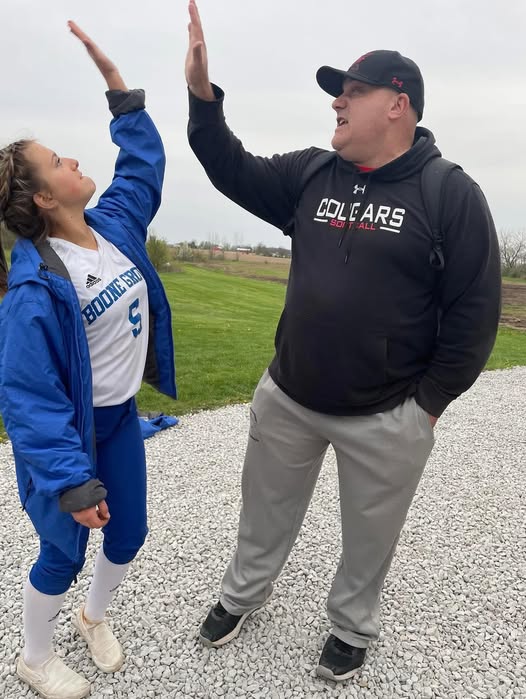
Today’s post was actually written by my partner in podcasting Coach Jay Bolden of Be Bold Fastpitch LLC. As many of you know Jay and i do the From the Coach’s Mouth podcast, where we interview coaches and talk amongst ourselves about all sorts of fastpitch softball and general coaching topics.
You can find it on all your favorite podcast platforms, including Spotify and Apple Podcasts. Ok, commercial over.

A couple of days ago, though, I saw Jay put up a great post on his Be Bold Fastpitch LLC Facebook page, talking about how he approaches working with his students. It was very heartfelt and great advice for all of us to remember so I asked him if I could reprint it here. He, of course, is a great guy so he said yes.
So here’s what he had to say on the topic. He has a lot of great content like this so I highly recommend that if you are on Facebook you give him a follow. And if you’re not, get on Facebook and then follow him. It will be well worth it.

Without further ado, here’s the post:
Let me say this loud and clear…
Person first. Student second. Player third.
Somewhere along the way, youth sports flipped that order — and we’re seeing the damage every single day. Kids tied up in performance anxiety. Kids terrified to make a mistake. Kids who think their value comes from stat sheets, exit velos, strike percentages, and trophy photos.
That’s on us as adults.
If a kid thinks her worth depends on how she plays on Saturday, then we failed long before the first pitch.
Because softball is a chapter in her life — not her entire identity.
Before I care about her curveball, her batting average, or where she hits in the lineup… I care about what kind of person she’s becoming.
Is she kind? Coachable? Honest? Does she show up for others?
That matters more than any tournament ring.
Then comes the student.
Grades, habits, responsibility, learning how to manage real life — those are the things that carry her long after her last at-bat.
Player is last on purpose.
Not because the game doesn’t matter — it does.
But because the game is the platform, not the identity.
We’re not just coaching softball.
We’re developing strong, confident young women who can handle life.
Person first.
Student second.
Player third.
And when we get that right?
The softball takes care of itself.
Train Hard. Play Bold. Chase Greatness.
Be Brave Enough to Try New Things…And Abandon Them
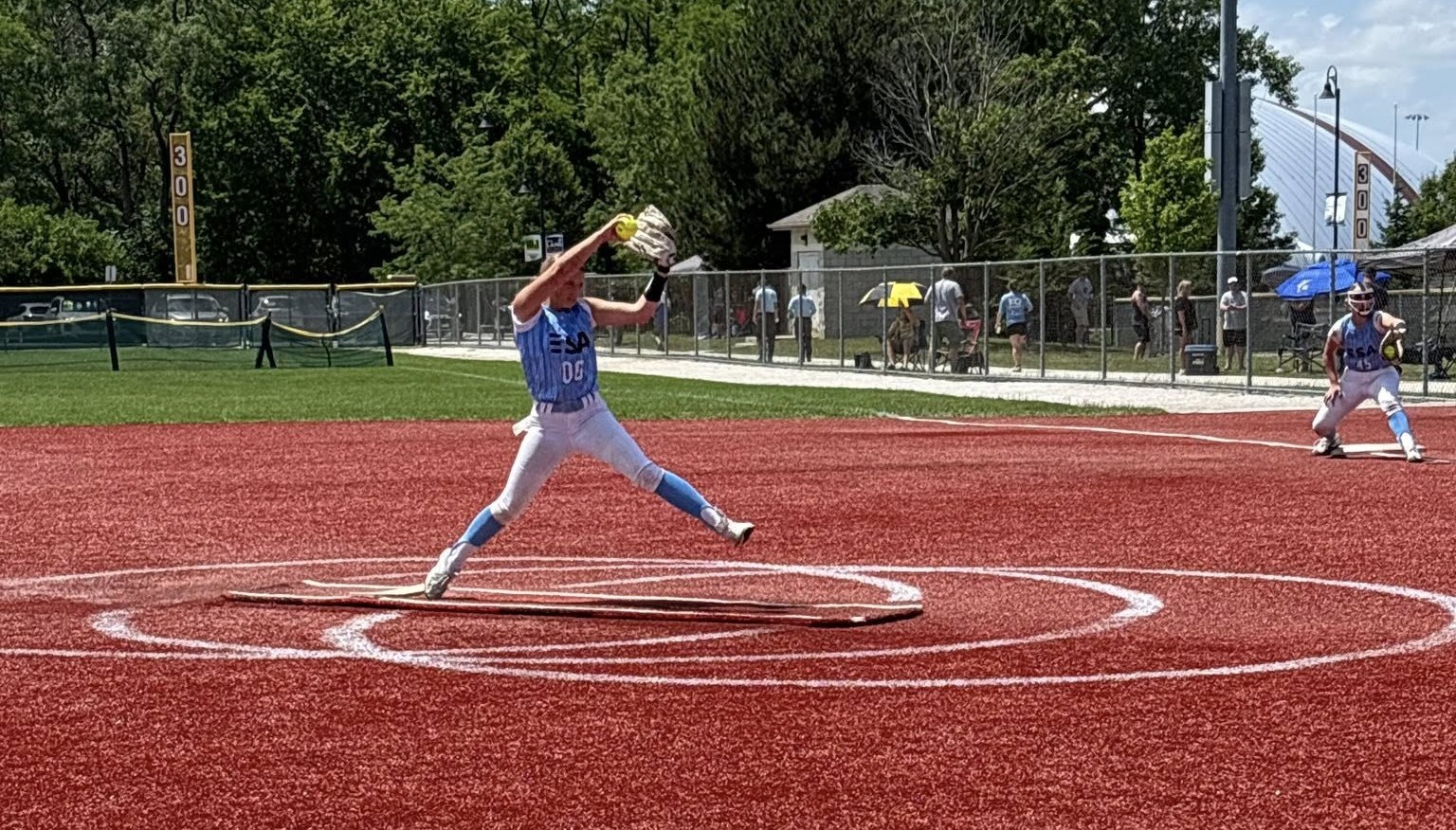
One of my favorite coaching-related sayings, which I first saw in the signature of a member of the Discuss Fastpitch Forum and which is often attributed to Henry Ford, is, “If you do what you always did, you get what you always got.” In other words, you’ll never get beyond where you are now if you’re not willing to make changes.
Really, making changes is the essence of what we do in coaching. We see something that doesn’t quite look right, or we want to help a player perform beyond the level they’re currently at (such as a pitcher gaining speed) and we have them do something different.
Some coaches, though, might be afraid to suggest those kind of changes – and some players might be afraid to try them – because they’re worried they might have a negative effect. And they’re right – they might.
Here’s the thing, though. Look at the words I just used: “suggest;” “try.”
You’re not committing to permanent changes, just doing something temporary to see what effect it has. As you would in any good science experiment.

If you’re a coach and you see an idea from a credible source and think it might help your player or student, you can make the suggestion that she tries it. Just be sure you know why you’re doing it.
There is a lot of garbage out on Instagram and other social media masquerading as good ideas. Usually it’s from people who are less coaches and more content creators.
They depend on crazy stuff that looks good in a video but doesn’t necessarily have any value in developing fastpitch softball players to help them gain more clicks and likes and shares. I get it, that’s how they make money, but the drills themselves are often just giant wastes of time that could be better-spent developing real fundamentals.
But let’s say you’ve seen or heard a new idea that makes sense to you, and you think you know who in your orbit might benefit from it. Still, you’re also afraid it might not work, or even screw them up.
Go ahead and suggest it anyway. Have your student(s) or player(s) try it and see what happens. Maybe it works, maybe it doesn’t.
Maybe it’s a godsend, or maybe it’s a disaster. Or maybe it’s both, depending on the student or player.
The thing is, if it helps you can keep it. If it doesn’t, it’s ok to say, “Never mind, go back to what you were doing before.”
Again, remember in this case you’re not trying to solve a known problem, such as a hitter swinging all arms. Whether she likes it or not that’s something that needs to be corrected in order to perform well.
Instead, you’re trying to help a player build on a strong foundation to enhance her level of success – such as helping a hitter who has decent fundamentals but is making weak contact hit the ball harder.
Again, like any good science experiment you want to introduce a single change and see what happens. If it works, great; if it doesn’t, you can get rid of it.
Either way, you have now learned something valuable that will help that player in the future.

I think coaches, especially newer coaches, are often afraid to admit they were wrong about something because they think it makes them look weak or stupid. Actually, the reverse is true.
The best coaches I know are constantly trying things to see if they help. They understand that what works for one person may not work for another, so they test different ideas to find which ones do work.
They’re also not afraid to change their long-held beliefs if they find an idea or a technique that works better. They know that closed minds are like closed bowels – not good for anyone.
As David Genest at Motor Preference Experts often says, there are 8 billion people in the world, which means there are 8 billion movement profiles. The key to success if figuring out which major changes or even minor tweaks fit the profile in front of you rather than a pre-conceived notion of what a pitcher or hitter or catcher or fielder should look like.
When I make a suggestion like this, I will usually say, “Let’s try this and see what happens.” After a few repetitions if performance goes up I’ll say, “Good, let’s keep working on that.”
If it goes down, I will say, “Well, that didn’t help” or words to that effect and we’ll usually go back to what we were doing before. No sense beating a dead horse.
When you’re doing these little science experiments, always be sure to include the student or player in the process. Ask her how that felt and encourage her to be honest.
You’re not looking for ego reinforcement; you’re looking for feedback to help determine if that change is worth keeping. Do keep in mind that sometimes a change will cause a performance loss just because it’s different and the student or player isn’t able to do it with full effort.
But if you’re observing carefully, you should be able to tell the difference between something that’s a little odd and something that just flat-out doesn’t work for that student or player.
Trying something new can be a little uncomfortable or even a little intimidating. As a coach you want to subscribe to the concept of “First do no harm.”
A little trial and error, however, is healthy as long as you remember you can always walk it back if the experiment shows that’s NOT the way to do it. And you’ll be that much smarter for the effort.
Before You Go Ballistic Over Errors or Other Mistakes…

When I sat down to start this week’s blog post I found myself staring at a blank screen, wondering what I should write about. Then serendipity struck in the form of my good friend Tim Boivin.
Tim just happened to send me a link to this Facebook post from United Baseball Parents of America showing Phillies teammates consoling Orion Kerkering after his misplay of a comebacker in the 11th inning put the final nail in the Phillies’ exit from Major League Baseball’s postseason. You can read more about that play here.
First of all, as I’ve said many times, one bad play or one bad call is never THE reason for a loss. If the Phillies had scored a few more runs earlier in the game, or prevented the Dodgers from scoring its only other run, that 11th inning misplay never would have happened and the Phillies would have one.
That point aside, though, making an error that ends a game can be devastating for any ballplayer in any game, but even moreso when it’s not just game-ending but season-ending. If you see any of the post-game photos or interviews the heartbreak is obvious.
Not to mention all the fan chatter that’s no doubt going to haunt him for a while – all the keyboard warriors and barstool experts who never made it past 12U rec ball who are going to talk about how “bad” he is and how he should be drawn and quartered for costing “them” the series. But at least he has the consolation of an MLB paycheck, which will help him get through it pretty handily.

Now think about that in terms of your youth, high school, or even college player. If one of the most talented athletes in the world – and if you’re playing MLB you are no matter where you fall on that scale – can have a momentary glitch in a big game, why would you think your young player would be immune from it?
And think about the fact that there was a lot more at stake for the Phillies coaches and other players than there is in your typical weekend tournament. Yet the coaches didn’t scream at Kerkering and the other players came over to console him when he was down.
That’s an object lesson we should all keep in mind. No one sets out to misplay a ground or fly ball, or give up a fat pitch down the middle, or strike out, or throw to the wrong base. That stuff just happens – unfortunately it’s part of the game.
We do have a choice, however, on how we react to it. Any player with any sense of game awareness realizes when she (or he) has made a critical, game-changing mistake and most likely feels bad about it.
Rather than going ballistic, the better reaction is help that player understand that this momentary lapse will not define him/her for life. Despite what it may feel like right now, it’s just one more bump on a road that will be filled with them.

Emotional scars can run deep, and the body keeps the score for a lot longer than most of us realize. By helping players keep these glitches in perspective you can save them a lot of heartache now and in the future – and reduce the chances of a repeat performance should those players find themselves in another high-pressure situation again.
Also remember that at the end of the day it’s just a game. No one was seriously damaged when Kerkering muffed the play, and no one will be seriously hurt when a 12 year old softball player makes a mistake either.
Keep it in perspective and the fastpitch softball experience will be a lot better for everyone.
Why It’s Important to Celebrate Progress, Not Just Achievement

Everyone loves to celebrate the big achievements in softball – winning a tournament or conference championship, tossing a no-hitter, hitting the game-winning home run, and so on. Those are definitely highlight in a player’s career and should be lauded whenever they occur.
Yet celebrations of a player’s performance don’t always have to wait for some major achievement. In fact in my experience it’s often more important to celebrate progress, even if it’s on a small scale, because those little wins now are usually what lead to those big wins down the road.
Here’s a good example. Let’s say you have a hitter who, as they say in Bull Durham, couldn’t hit water if she fell out of a boat. She’s all arms with no control over the bat, and she seems to defy the law of averages by not even making random contact through sheer luck.

Realizing it’s a problem she starts to take hitting lessons, and within a couple of lessons she hits a weak ground ball to second and pops out to first in the same game. Nothing to write home about in the big scheme of things – it’s still a couple of outs – but she at least put the bat on the ball.
That’s something to celebrate because it represents progress. Now, perhaps inspired, she keeps working at it and next game hits a hard line drive to shortstop or flies out with a direct hit to the left fielder.
Again, she is showing progress. Because you are celebrating and encouraging her she continues to work, and suddenly those hard-hit balls start finding some gaps between fielders.
It’s been little steps along the way, but they have been important steps. And maybe before you know it she’ll come to bat with the game on the line and produce one of those highlight reel moments that would have been unthinkable not too long ago.
I’ve seen it happen. If you have, tell your story down in the comments.
Or what about the pitcher who can’t seem to find the plate with both hands and a flashlight due to poor mechanics? She can force the ball over enough to keep giving her opportunities, but her walks are still out-pacing her strikeouts and soft contacts and you’re starting to reconsider your position with the playoffs coming.
She realizes it too and starts taking the need to work on her mechanics more seriously. She puts in the work and you can see her start looking more like a pitcher should look, even if the outcomes, while better, still aren’t where the team needs her to be.
The same goes for pitchers and speed. It takes some longer to figure things out than others, or for their bodies to even have the physical capacity to deliver an appropriate level of speed for her age.
But if she keeps working on the mechanics and on learning to feel what her body is doing at different points in the pitching motion, the improvement will come.
Again, by celebrating the progress you can send a message that what she’s doing is working and she should keep on doing it. That little bit of encouragement may be just what she needs to fulfill her potential and become a reliable member of your pitching rotation.
These are just two examples of what is often called the “grind.” While it would be wonderful if you could just make a tweak here or there and see it pay off instantly, that’s not how it usually works.
Progress doesn’t come in leaps and bounds for most; it’s normally a lot more incremental. But if you wait to recognize only the big achievements they may never happen because the player gets discouraged before she reaches that point.
A better approach is to look for the good, even when it’s small, and call it out to keep players going when the going gets tough.

Now, all of that assumes these players are working on making the changes that are needed in order for progress to occur. Empty praise doesn’t help; they have to be making the effort to fix whatever is preventing them from getting better or they’re just going to fall further behind.
But if they are, take the time to recognize the progress even if the big achievement doesn’t come right away. Because it will in time.
Fall Ball Is a Great Time to See What You Have

It seems like only yesterday that the summer travel ball season was getting started – and teams were already promoting open workouts and private tryouts for the next season.
Well, next season is now officially upon us, and with that comes fall ball games. Back when I was coaching teams, fall ball usually meant one practice a week, a couple of double headers (if you could find another team that wanted to play), and maybe a tournament or two if you could scrape up enough players who weren’t committed to fall sports at their schools.
Nowadays for most teams, though, practices are multiple times per week (3-4 for some teams!), there’s a tournament practically every weekend through Halloween, and maybe even a few more “friendlies” sprinkled in here and there. That’s progress I guess.
If you are following this type of heavy schedule I do have a suggestion for you: don’t just treat it like summer ball 2.0. Instead, use at least some of this time to figure out what you have in the way of players. I mean, hopefully you chose well in the tryout process, but you never really know until you see them in action.
To do that effectively you have to be willing to do something that many coaches these days seem reluctant to do: potentially lose some games you might have otherwise won.

For example, instead of pitching your Ace for one out of two games of pool play and as many bracket games as she can go without her arm falling off like you usually do, try using your #2, #3, or even #4 more. Your #1 will probably appreciate the additional rest and recovery time, and you’ll have more opportunity to see what the other pitchers (especially the new ones) can do in a game situation.
There is also an added bonus to this strategy: If your #1 is a strikeout pitcher and the others are more “pitch to contact,” your fielders will get more work and you’ll gain a better understanding of exactly what you need to work on – whether it’s skills, knowing what to do with the ball, communicating effectively or some other aspect. Better to find out now than next summer when it’s probably too late to do anything about it.
One other thing you can do with pitchers is maybe leave them in the circle a little longer than you usually might to see if they can work their way out of a jam or regain their control if they start to lose it a little. Sometimes all a pitcher needs to get out of funk is to get more innings; this is the perfect time to make that happen.
You can also use the fall to shake up your batting order a bit and give hitters who normally are at the bottom a chance to get a few more at-bats. Maybe you don’t move the whole bottom up to the top at once – no sense in going crazy with it – but moving one or two up strategically might help them find their rhythm better and might give you some extra quality bats throughout the lineup for when you need them most.
Going back to fielders, the fall gives you a good chance to see what your backups at a particular position can do. Instead of using, say, the same shortstop or the same catcher, or the same something else in every game, put those backups into a starting role and see how they handle it; they might just surprise you.
The fall is also a good time to try out different strategies to A) see how your team handles them and B) short up any areas of deficiency you discover.

For example, I know the short game isn’t as important in fastpitch softball as it used to be. Everyone digs the long ball these days, but there are still times when the ability to perform a suicide squeeze or lay down some other type of bunt can make the difference between winning and losing a big game.
If you try it in the fall and it works, you’ll have more confidence trying it next spring. And if it doesn’t, well, that practice plan kind of writes itself.
The same goes for unusual defensive sets. If you’re facing a speedy slapper maybe you want to try pulling your second baseman or shortstop in closer, like up next to the circle, to see if you can take away her speed.
Or if you’re facing a situation where you’re pretty sure the offense is going to try a bunt, bring your first and third basemen in about 15 feet away from home to give them a better shot at making the play. You can even try having them shift into that from a more traditional set once the pitcher is ready to throw the pitch so you don’t give it away.
You can also use the fall to try some trick plays, like those first and third plays you keep practicing but never call, or faking a throw to first on a ground ball to see if you can sucker the lead runner into a rundown. The possibilities are endless.
Sure, there are times when you’re going to have to go with what you know. If you’re trying to win an early bid to Nationals next year to get that out of the way you’re probably going to want to play to win. But if it’s a meaningless tournament, or a showcase where you’re just going to play X number of games and then go home, why not use it to find out what you don’t know?
Yes, it can be difficult to lose a game you might’ve won, and nobody likes losing. But taking that small risk now can pay big rewards down the road.
Don’t just take it from me, though. On our From the Coach’s Mouth podcast Jay Bolden and I have spoken to several college coaches who have followed this fall ball strategy to help them get ready for the spring. If it’s good enough for them…
Leaves photo by Pixabay on Pexels.com
A Softball Lesson from General George S. Patton

When I was still working in the business world, I used to have this quote from WWII General George S. Patton hanging in every cubicle and office I worked in:
“A good plan, violently executed today, is better than a perfect plan executed next week.”
I would also copy the paper I had it on and give it to new co-workers when they joined the company, especially the younger people who might be intimidated coming into their first big jobs.
I found them to be great words to live by for a variety of settings. And they definitely work for fastpitch softball.
Think about hitters. We’ve all seen hitters who let good pitches go by waiting to see the perfect pitch.
They wind up in an 0-2 hole, where their odds of seeing a perfect pitch go down substantially, and as a result their chances of getting a good hit drop significantly as well.
Or take pitchers who are working on a new pitch. They feel like they’re doing pretty well with it, but they (or their coaches) are reluctant to use it in a game because they don’t have full (perfect) control over it yet.
The result is they never gain game experience with it because none of us is ever going to be perfect. Instead of waiting for absolute reliability, I say pick a safe situation (nobody on, nobody out, 0-1 count for example) and give it a try.
Worst case the count goes to 1-1, but it could have done that anyway with a “safer pitch” that the pitcher doesn’t throw well or that the umpire misses. Throw that new pitch so you start getting used to it in game situations so you have it for later – not to mention maybe it works the way it should now even if it’s by luck and you start building confidence.
The words of General Patton don’t just apply to players either. Coaches, how many times do you work on a defensive play for when there are runners on first and third, or a special offensive play such as a suicide squeeze, only to be too afraid to try it in an actual game?
Your team’s ability to win an important game might just come down to its ability to execute one of these high-risk plays. But if you’re too worried it’s not ready when you’re playing a friendly or a non-conference game, you’ll never know if it’s ready when it counts.
I say give it a try now, when a screw-up doesn’t mean as much, and see what happens. Maybe you learn your team is close to executing it but needs a little more work; maybe you learn there’s no point in wasting valuable practice time because your team is never going to be ready to pull it off with any degree of certainty.
But at least you’ll know.

Remember that in softball, as in most things in life, the situation is changing constantly. Waiting until you have the “perfect” conditions or opportunity means you could be passing up a whole lot of other ones that, while they carry a little more risk, also carry a lot of potential rewards.
With fall ball coming up, this is the perfect time to trot out some of those special plays, or new pitches, or more aggressive approaches at the plate, or new fielding techniques, whatever else has been gathering dust in your back pocket.
Prepare as best you can in the time you have, then give it a try. You may just surprise yourself.






 Life in the Fastpitch Lane