Blog Archives
Buying Tools v Learning to Use Them
Like many guys, at one time in my life I thought woodworking would be a great, fun hobby to learn. Clearly that was before my kids started playing sports.
So I started becoming a regular at Sears, Ace Hardware, Home Depot, Menards, Lowes, and other stores that sold woodworking tools. YouTube wasn’t a thing back then (yes, I am THAT old), so I also bought books and magazines that explained how to do various projects.
Here’s the thing, though. I might skim through the books or an article in a magazine to give me just enough knowledge of which end of the tool to hold, then I’d jump right in and start doing the project.

Needless to say, the projects I did never quite came out the way the ones in the pictures did. I also didn’t progress much beyond simple decorative shelves and things like that – although the ones I did make held up for a long time.
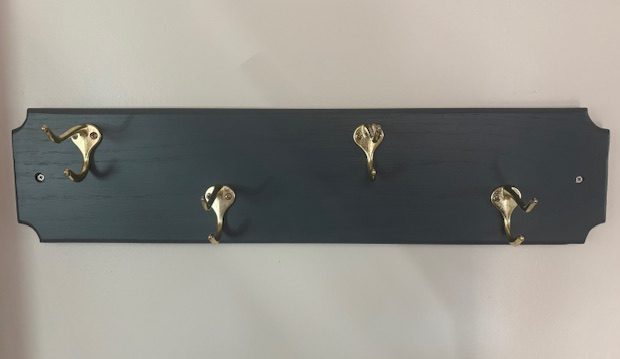
The thing I discovered was that buying new tools was a lot easier, and a lot more fun, than learning how to use them. Buying tools is essentially “retail therapy” for people who aren’t into clothes or shoes. And you always think if you just had this tool, or this router bit, or this fancy electronic level, everything will come out better.
Nope. Because no matter how good the tool or accessory is, it still requires some level of skill to use it.
Fastpitch softball parents and players often suffer from the same affliction. They believe that if they get the latest version of expensive bat they will hit better.
They believe if they purchase this gadget they saw promoted on social media it will automatically cure their poor throwing mechanics. They believe if they purchase this heavily advertised pair of cleats they will automatically run faster and cut sharper.
Again, nope. New softball tools like bats and balls with parachutes attached and arm restricting devices and high-end cleats are certainly fun to buy, and there’s nothing like the anticipation and thrill of seeing that Amazon or FedEx or UPS truck coming down the street to make you want to burst into song.
But they’re just tools. In order to get the benefits of those tools you have to learn how to use them correctly then work with them day after day, week after week, month after month, year after year.
And as we all know, that part isn’t as much fun. There’s a reason it’s called the grind.
Take that bright, shiny $500 bat. If you’re still using a $5 swing, or you’re too timid to even take it off your shoulder, it’s not going to do you much good. It may look pretty but you could be using a $50 bat to the same effect.
You have to get out and practice with it. Not just during practice but even when no one is around. The more you do it the better you’ll get at learning how to use it – just like I discovered with my fancy jigsaw.
Pitching, fielding, throwing, baserunning, it’s all the same. No fancy glove or high tech gadget is going to help you get better no matter how much it costs. You have to learn how to use it, which means getting off your butt (or off your screen) and using it.
If you don’t know how to use it, seek out somebody who does and have them help you. It’s a pretty good way to shortcut the learning process, and often a better way to invest your time and money.
Yup, sure, new tools and toys are a lot of fun to wish for and shop for and buy. But even the best ones can quickly become shelfware if you’re expecting them to do all the work for you.
Get the tools that will help you get the job done, but always remember you have to learn how to use them to reap the full rewards. Otherwise you’re just throwing away money.
Great New Resource for Learning Pitch Movement
I’ve spoken in the past about Rick and Sarah Pauly’s High Performance Pitching courses. They have put together a great series of Beginner, Intermediate and Elite-level online training courses that give professional instructors and bucket parents alike the ability to learn from two of the best in fastpitch softball pitching.
Recently they released a brand new course for the Elite program called “Tips for Making a Ball Move.” (Click on the Elite tab to find it.)
In his usual friendly and accessible way, Rick walks through topics such as what order to learn movement (i.e., non-fastball) pitches, increasing spin rates on pitches and how to be effective with grips. Lots of great information, and best of all it’s FREE!
But there was a three-part set of lessons in there I thought would be particularly helpful for bucket parents. Two of the lessons cover different types of training balls, and the other one talks about other types of gadgets.
I think these are some very valuable lessons for a couple of reasons. One is that we all look at those things hoping to find a shortcut to helping our daughters/players/students pitch more effectively.
As Rick shows his personal collection I felt like a kid again going through baseball cards with my friends – got that, got that, got that, hmmm, that looks interesting. As much as I say I’m not a gadget guy I’ve certainly spent my fair share of money checking things out.
Rick walks through each of them, talking honestly about what he uses regularly and which balls or devices mostly collect dust on his shelf. Before you hit the “submit” button on Amazon or an individual website I highly recommend you check out this series of videos.
The good thing is Rick isn’t really passing judgment on the balls or devices as much as he is sharing his experience. Why that’s important is that while a ball or device may not have worked for him, it might be just the thing you need. After watching the videos you’ll get a better idea of whether they’re worth checking out.
For example, he talks about SpinForm softballs. They are great for helping pitchers learn the curve or rise. But in my experience they’re also great for teaching the overhand throw – especially for a player who tends to get side spin instead of 12-6 spin on her overhand throw.
It’s hard to miss whether the ball is being thrown properly or not, especially if you play catch with someone who does throw properly. That visual helps players figure out what they need to do to improve. If you pair up a pitcher working on her curve with a catcher who needs some spin help it’s a win-win.
And honestly, that’s the thing about these various balls and devices. None of them are necessarily good or bad. Just like drills, using them to achieve success has a lot to do with the coach and the student.
If you have a specific need and use the device properly, it may be valuable to you – even if it wasn’t to me. But if you don’t put in the work with it, or use it as intended, you’re probably going to find it one day covered in dirt and grime when you go to clean out your garage.
The nice thing about Rick’s videos is they give you an unbiased head start on determining whether whatever you’re thinking about purchasing will help solve the issue you’re trying to solve. And again, that course is free so even if you don’t watch the rest of the lessons you can pop in and get what you need.

So before you go off chasing the latest softball device rainbow, give those videos a look. It might just save you a few bucks you can use to pay for your next hotel stay.
P.S. Just FYI, no matter what device or tool you buy, they tend to work better when you use them regularly.






 Life in the Fastpitch Lane