Losing Doesn’t Build Character – It Reveals It

Today’s post was actually suggested to me by my partner in podcasting Jay Bolden of BeBold Fastpitch. Not sure why he didn’t keep it for himself since he writes some great posts on his own Facebook page, but I will definitely take it. Thanks, buddy!
I think we’d all agree that it’s easy to look like a good coach, and a good person, when your team is winning., because it’s true that winning covers up a lot of other problems. You may be the most clueless coach in the world, but if your team is winning a lot more than it’s losing no one is likely to have any complaints.
That’s understandable. As Nuke LaLoosh says, winning is a lot more fun than losing.

Where you truly see the measure of a coach, however, is when things aren’t going so well. When the team is having a rough season, or maybe just going through a rough patch, how the coach reacts reveals a lot about who he or she really is.
First, let’s talk about how a good coach will or should handle losing, just to do a little level-setting.
No one likes losing. I know I sure don’t, and especially didn’t when I was coaching teams. I was one of those “I hate losing more than I like winning” types.
So with that in mind, you have to look at WHY you’re losing. The first place a good coach will look is in the mirror, asking questions such as:
- Have I been training my team well enough?
- Have I been making good decisions about who is on the field?
- Have I been putting together the most potent batting order, based on facts, not feelings?
- Have my in-game decisions been good ones?
- Are we playing the right level of competition?
- Are our strategies appropriate for the personnel we have?
- Have I built an atmosphere where players are playing with confidence or with fear?
That’s a great starting point. But the truth is you could be doing all the right things and the team is still losing. The softball gods are funny that way, and when you make them angry for some reason you may have to sacrifice a chicken to get back on track.

If you noticed, all of the above had the coach looking inward, at him or herself first, to ensure that the problem isn’t staring him or her in the mirror.
Now let’s talk about what bad coaches do: they blame. They will:
- First and foremost blame their players for not playing well enough or trying hard enough.
- Blame their facilities or their budgets for not giving them enough money to be better.
- Blame the administration for not supporting them.
- Blame the parents (yes, even in college) for expecting too much, or questioning the coach, or I suppose for not having better DNA.
- Blame the umpires for not calling a fair game.
- Blame whoever happens to be out of earshot at the time.
- Blame whoever happens to be in front of him or her.
I’ve heard stories where a coach’s idea of coaching is to essentially yell at her players to “play better.” That’s the sum and total of her advice.
No advice on HOW to play better after a problem, such as stay down on a ground ball, or go for the lead runner first, or you have to look up to see where the ball is before trying for another base, or anything else helpful like that, So it’s no surprise when the same problems keep coming up. Thanks, coach.
We’ve also all seen the coaches who scream at their players, telling them how bad they are after they make a mistake. No attempt to build a positive atmosphere, or encourage them instead of letting them get down on themselves. Just constant berating.
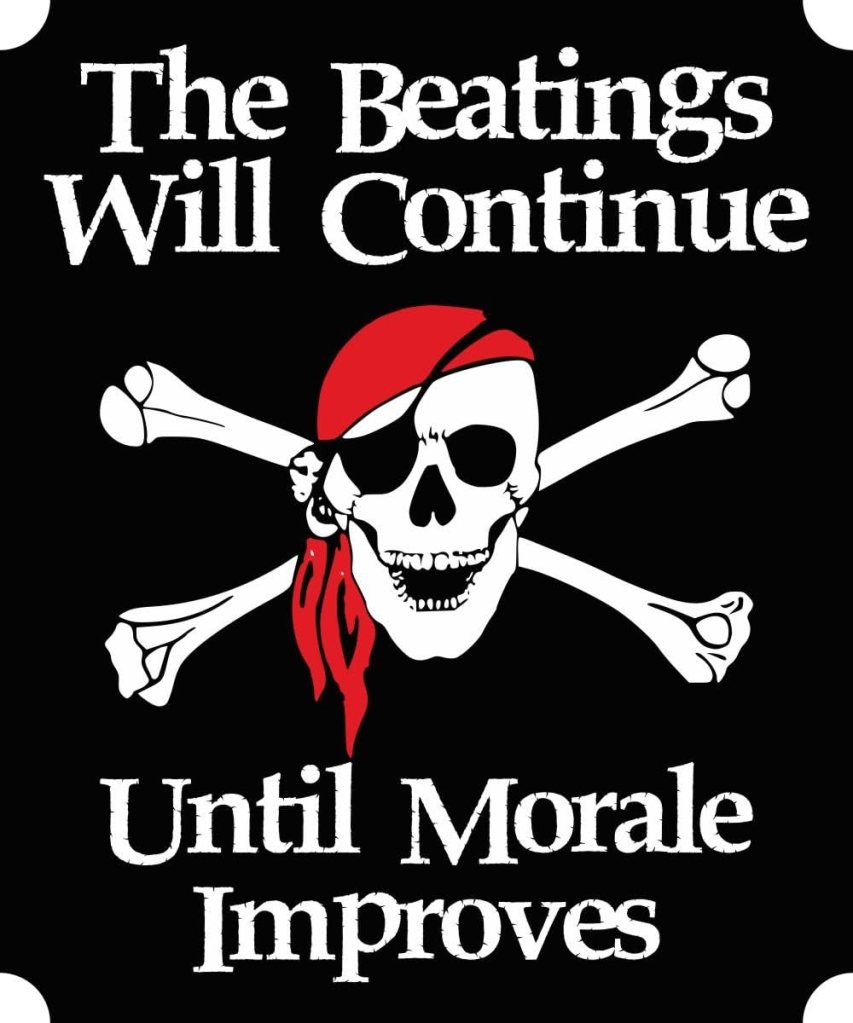
And do things get better? Maybe by luck sometimes. But for the most part, that type of approach is counter-productive for one simple reason: it’s addressing the wrong problem.
Look, no one likes to lose. Some take it harder than others (like me) but no one actually likes it.
So screaming about it or blaming others doesn’t address the core issue. It’s an attempt to cover it up with bluster instead.
So what types of things does losing reveal about a coach’s character? One is their maturity level.
Good coaches will attempt to work the problem and maybe change the atmosphere or the mindset if needed to try to change the outcomes. They will look to support their players, and look for solutions to the problems the team is facing.
Bad coaches will deflect the problems and substitute anger and noise for a thoughtful approach. They don’t know what to do to change things so they throw tantrums in the moment in an attempt, I suppose, to hide their lack of a viable solution.
Losing also reveals their ability to see the larger picture. Good coaches know they will get through the current series of loses, and develop a plan to help expedite that process.
Bad coaches let their emotions take over and focus on the immediate.
Then there’s the worry about what others think of them. Both good and bad coaches will often have that concern. I mean, after all, we all want to be thought of as being good at what we do.
But good coaches understand they have to set those temporary perceptions aside; after all, if all else was the same except for the won-loss record, those people calling for their heads would instead be scheduling a parade.
Good coaches realize they have to separate themselves from the current unfortunate circumstances and think about times when their teams were winning so they can clear their heads and address whatever the causes are. If they truly believe in what they’re doing, and stay true to it, they know the wins will come again.
Bad coaches, on the other hand, will try to cover up their insecurities by directing their anger and blame at others, never stopping to think about the fact that they may need to change what they’re doing or how they’re approaching the team in order to flip the script and back on track. And the more they let those negative thoughts creep in, the worse things are going to get for them.
As we often say, softball is a game filled with failure and adversity. There’s absolutely no reason to think those things will affect you as a coach at some point, or more likely many points, in your coaching career.
How you handle losing when it comes, though, will say a lot about who you are and what you truly believe in. It is entirely a test of character, graded on a pass-fail scale.
Be sure you’re ready to pass that test. Not just for the sake of your players, or your program, but for yourself.

Posted on March 20, 2026, in Coaching, General Thoughts and tagged adversity, bad coaches, caring, character, good coaches, losing, winning. Bookmark the permalink. Leave a comment.






 Life in the Fastpitch Lane
Leave a comment
Comments 0