Keep Your Pitcher’s Strengths In Mind When Calling Pitches
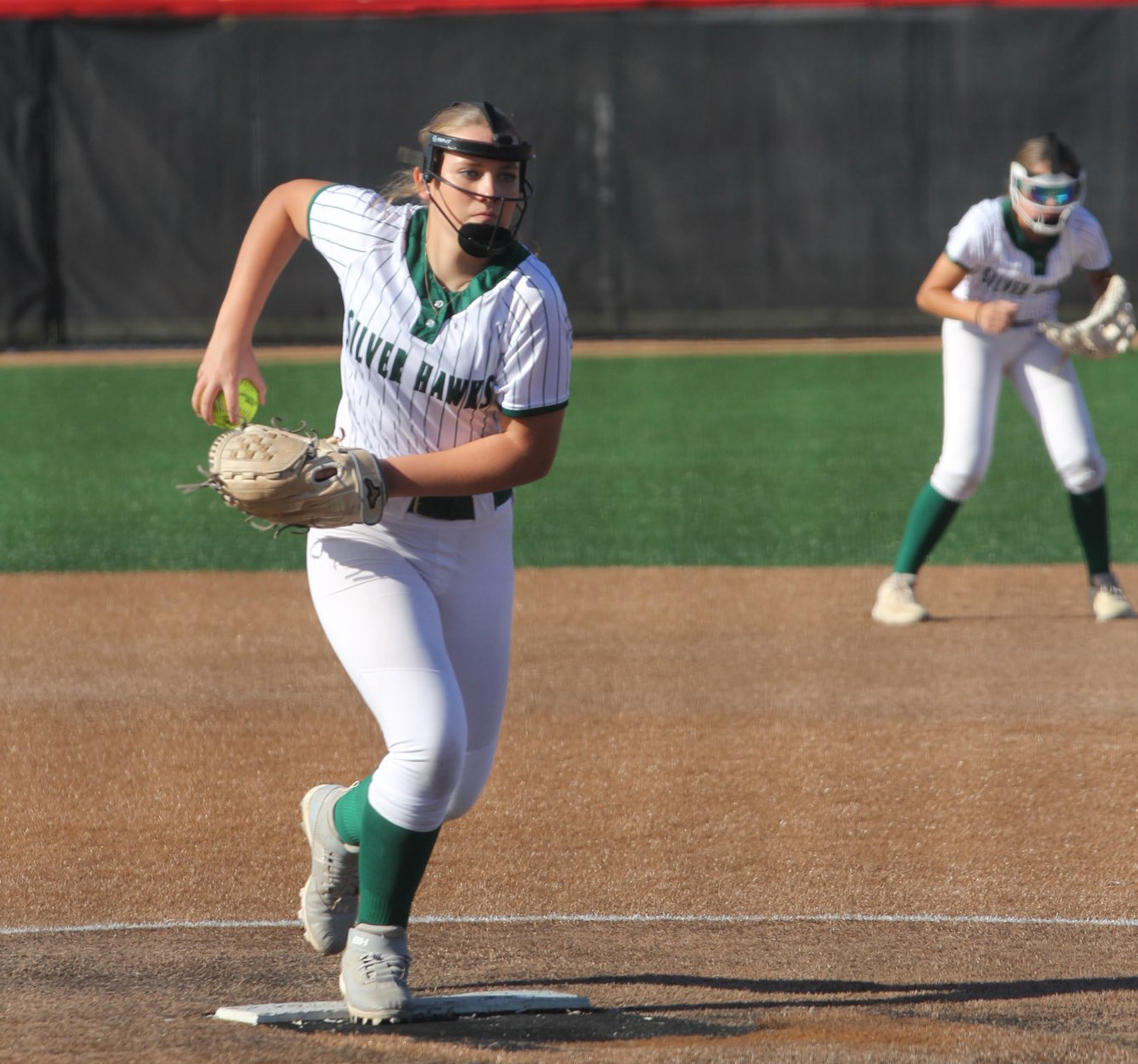
Todays’ headline may seem like a blinding glimpse of the obvious in theory, but from the stories I’m hearing from my students and from other pitching coaches it doesn’t seem to be so obvious in practice.
I know there are all kinds of charts you can keep and stats/heatmaps you can purchase on the Interweb and printed guides (including this one) to help you as a coach determine which pitches to call to attack a hitter’s weaknesses. But before you go diving down that particular rabbit hole it’s important to ask yourself one simple question: what pitches do my pitchers throw well?

For example, in theory a riseball seems like a great choice against a hitter who drops her hands. But if your pitcher has a 50-50 chance of throwing her riseball flat you may want to re-think that strategy so you don’t end up watching Ms. Dream Seam leave the yard.
It gets even more complex when you realize you need to consider the strengths and weaknesses of several pitchers on a staff. Your Ace may have a killer dropball that she can throw on command. But if she has to come out of the game for some reason and your next pitcher up tends to throw all her drops in the dirt, you’d better be ready to change your strategy accordingly. Especially if your catcher isn’t too adept at blocking.
Which pitches your pitchers throw well (or at least Have the most confidence in) is important information you should be gathering well ahead of that pitcher going into the game. Ideally that would be in the pre-season, but if not today is the second best choice.
If you have a great memory (bordering on eidetic) and know your pitchers well you can keep that information in your head and adjust on the fly. If your brain organizes information the way a typical teenager organizes her bedroom floor, you’ll want to write it down and probably laminate the card(s).
Either way, you want to have that information handy before you send any pitcher out to the circle. It’s important for any situation, but critical if you’re using one of those arm band systems with the numbers to call pitches.
You should have a card that is customized for every pitcher you would ever consider sending into a game, whether you plan to today or not. Things happen, and those who don’t plan for the unexpected end up getting beaten by it.

Sending one pitcher out to the circle with the card of another in the hopes you can “work around it” is probably not going to turn out well for anyone. Except the opposing team.
So how do you determine which pitches are your pitchers’ strengths? There are a few things you can do:
- Ask them That’s a great place to start. Your pitchers know which pitches they’ve been working on, and while it’s possible they may have an overblown sense of what they do well, they will certainly know which pitches scare them Find that out and you can avoid calling a good “theory” pitch that causes the pitcher’s body to shudder at the thought of throwing it in that situation. It will also give you an idea of what you can expect from those pitches. If a 10U or 12U pitcher tells you she has 6 pitches, you can pretty much assume all 6 are basically bullet spin fastballs.
- Observe them – and take notes. Whether you’re coaching a 10U team or a Division 1 college team, your pitchers should be working on their games during organized practice activities – whether that’s during practice, before or after practice, or on a different day. While that’s happening, whoever will be doing the pitch calling should be watching closely to see what actually works and what doesn’t. The pitcher may think she has a great changeup, but if all you see is a pitch that comes in looking like a bad fastball or that she has to slow her arm down to take speed off the ball, you’ll know not to throw it in a situation that matters.
- Test them. Ok, so they have their riseball working now. Once you learn a pitch it isn’t that hard to execute it when you’re throwing a bunch in a row and you have the ability to determine when you want to throw it. So test them during bullpen sessions by calling the pitch and watching what happens. Then call a different pitch, then another different pitch. See if they can throw what you’re calling on command versus needing five shots to get it right. This isn’t just for different pitches either. You can do the same with locations to see which they can hit on command and which need more work. Knowing that will help you avoid situations where you call an outside pitch to attack a hitter’s weakness only to watch that pitch go to the inside, which is the hitter’s strength, and then out of the yard..
- Consult with them. Once you’ve gathered your information, tell your pitchers what you’ve learned. Show them the chart you’ve made detailing their strengths and what they need to work on. We all like to work on strengths so we can feel good about ourselves, but that’s not how you get better. The Japanese principle of Kaizen (continuous improvement) applies here. It will be a lot easier for them to become the pitchers you want them to be if you’re telling them where they need to improve. But don’t just tell them what to do – tell them why it will help them become better at their craft. People in general, and young people in particular, generally will work harder on an issue when they understand how it will help them.
- Rinse and repeat. This is not a one-time process you do in the preseason or at the beginning of the season. You should be updating this information constantly to ensure you’re using all your pitchers to the best of their abilities. If you told a pitcher she needs to hit the low outside spot with her fastball or needs to increase the RPMs and spin direction on her riseball, check back frequently to see if they’re making those improvements. Then update your information about them accordingly so when gametime comes you’re taking advantage of everything your pitchers are able to do – and avoiding those things that don’t work so well.
Again, in theory it’s important to attack hitters’ weaknesses whenever you can. But you don’t want to attack weakness with weakness; in most cases you’ll probably be better off attacking a hitter’s strength with your own pitcher’s strength (unless it’s a total mismatch, in which case good luck!) because the odds in softball always favor the defense.
By taking the time to really learn the strengths of every pitcher on your staff, you’ll be in a position to make better decisions come gametime and help not only the pitchers themselves but the entire team succeed more often.

Posted on April 10, 2026, in Coaching, Pitching and tagged bullpens, good decisions, having a plan, knowing your pitchers, pitch calling, strengths, weaknesses. Bookmark the permalink. Leave a comment.






 Life in the Fastpitch Lane
Leave a comment
Comments 0