Pros and Cons of New Pitching Rule on Leaping
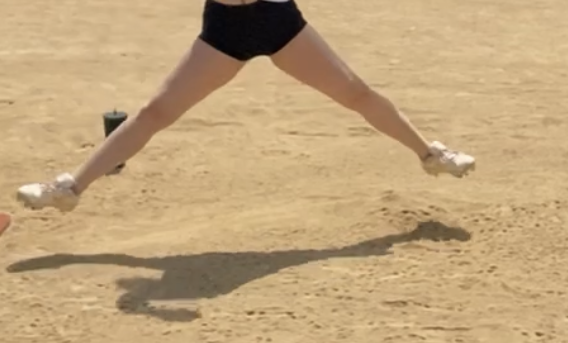
By now you’ve no doubt heard about a very significant change to the fastpitch softball pitching rules in the NCAA, NFHS, and various travel ball level organizations. The rule involves leaping, i.e., having both feet in the air during the stride-out portion of the pitch.
Up until this rule change leaping was illegal, which meant if a pitcher was called for it the batter would automatically be credited with a ball, even if the pitch came in fat and happy down the middle. That collective sigh of relief you heard a few weeks ago came from pitchers, their parents, their grandparents and other relatives, their team coaches, their pitching coaches, and other interested parties when it was announced that leaping will now be allowed.
Of course, no change occurs in the fastpitch softball world without some level of angst being generated, and this rule change is no exception. Some are in favor, some are against, but whatever their point of view most are passionate about whatever they think.
That’s why I thought it might be a good idea to go through the pros and cons of leaping while pitching in a more dispassionate way to help everyone understand this change a little more.
But First – Leaping v Crow Hopping
Before we get into the pros and cons I think it’s important to distinguish between leaping, which is now legal, and crow hopping, which remains illegal, because many use the terms interchangeably. Especially coaches who are complaining about an opposing pitcher.
Leaping is what happens when a pitcher strides off the pitching rubber, her back foot loses connection with the ground, and both feet are in the air at the same time until the front foot lands. Often this is the result of a late push or drive off the pitching rubber by the drive leg.
Most people consider there to be no particular advantage to leaping, and in fact it might actually reduce a pitcher’s speed a little. Leaping is now allowed since the rule change.
Crow hopping starts out the same way as a leap, with both feet off the ground. The difference, though, is that the drive leg lands first AND THEN there is a second push-off. This gives the pitcher an advantage because she is essentially starting her pitch from a much closer distance – generally six to eight feet.
This shorter closing distance gives the batter less time to react, essentially making the pitcher appear to be faster than she actually is. Crow hopping is still not allowed by the rules.
Pros of the Leaping Rule Change
The biggest pro of the change to allow leaping IMHO is it theoretically eliminates opposing coaches trying to get a successful pitcher pulled out of a game, or get into a pitcher’s head to the point where she is no longer effective, by complaining that she is leaping (or crow hopping as most say). Because what can be better than a grown man or woman playing head games with a 12 year old?
Think of all the time and animosity that will be saved by not arguing about whether a pitcher is legal or illegal because her back foot came an inch or two off the ground. In today’s world of timed games that alone will be a plus.
Another pro is it gives pitchers the opportunity to learn their craft without having to worry about whether their back foot is coming off the ground. Pitching is hard enough; removing a meaningless obstacle to learning it enables budding pitchers to focus on the mechanics that will help them develop and grow.
Finally, it saves the umpires (especially the ones working solo) from having to watch for and call pitchers for leaping. With that off their plates they can focus on things that are far more important to the outcome of the game – such as calling balls and strikes or runners leaving early on a steal or a fly ball.
Again, in my opinion and the opinions of many other pitching coaches there is no real advantage gained by a leap, so it’s essentially no harm, no foul.
Cons of the Leaping Rule Change
The biggest con to the rule change is that leaping is kind of a gateway to crow hopping. If you stop calling leaping, umpires may eventually quit calling crow hopping, which will then give pitchers an unfair advantage.
We’ve seen this in the men’s game. Many of the top men’s pitchers crow hop and don’t get called for it because umpires seem to have given up worrying about it.
Will that happen in women’s fastpitch as well? Time will tell.
Another con to leaping is that mechanics are not as efficient, which means pitchers may actually be giving up a little speed, accuracy, or movement. Many will not be able to transfer as much energy into the ball because their posture or timing (or both) is off, and they may not be able to get their arms and/or hands into the optimal position for delivery.
If no one is worried about proper leg drive because pitchers won’t be called for leaping it could lead to pitchers not achieving their full potential. Pitching coaches will quit looking for it and pitchers will never make the effort to correct it.
I fully believe that a pitcher who can keep herself stacked properly over the back side will pitch better than if she strides in a way that pulls her back foot off the ground prematurely. That’s just biomechanics and physics.
Finally, there is the health and safety issue. Pitchers who leap, especially if they go after with with enthusiasm because it’s no longer illegal, will put themselves at greater risk of ankle, knee, hip, and back injuries, particularly in the lower lumbar region.
The weight-forward, body-forward posture most leapers have will cause more strain as they collide with the ground. Over time, those repetitive out-of-balance landings can lead to injuries that could put a pitcher out of action for a month, several months, a year, or even longer.
And then she’ll have to relearn proper technique anyway to avoid future injuries. Why not just start from a safer technique and go from there?
Choose Wisely
The bottom line for me is that the rule change is a good thing from a practical, in-game point of view, but it shouldn’t be considered carte blanche to use poor technique.
I will still strive to teach my students how to drive more efficiently, with their drive foot on the ground. But if they do come up a little, I’m glad to know it’s not going to cost them the game anymore.

Posted on September 8, 2023, in Pitching, Rules and Umpires and tagged crow hopping, efficiency, health and safety, leaping, optimizing performance, pitching rules. Bookmark the permalink. 4 Comments.






 Life in the Fastpitch Lane
I think you missed the mark here.
Pitchers have always been leaping. The foot drag was a cosmetic correction to the no leaping rule that required both feet to be in contact with the ground during the delivery. (Leaping Lizards Batman, If only the rule had been to be in contact with the rubber during delivery all the leaping/striding/foot dragging hoopla would have been avoided).
There is nothing inherently good about foot dragging regarding mechanics, or safety. The only thing that was good is it allowed pitchers to continue leaping. And then some capable wordsmith rephrased the foot drag leap into a “stride” and the Softball Alphabets looked down and were pleased.
Regarding cons of leaping, I think you’re imagining pitchers leaping with the push off foot a couple feet in the air, and screwing up mechanics. That won’t happen. What will happen is pitching coaches and pitchers will figure out the optimal position to achieve the best mechanics.
vr,
Doug
LikeLike
Doug, sorry but I think you need to do a little more research on what is required to optimize pitching. You seem to be of the mindset that all pitchers need to do is take a step off the rubber, keeping their back foot in contact with it through delivery, and all will be well. That’s just not true in physics or biomechanics.
The quick forward drive off the pitching rubber into a firm front leg is critical for accelerating the arm through the back side of the circle as well as getting the sudden deceleration that creates whip.
For the most part, when pitchers leap (have both feet off the ground at the same time) it is due to a fundamental flaw in their drive mechanics. The stride leg reaches out while the rest of the body stays back. Then when the stride leg can’t get out any farther it pulls the drive leg, causing it to pop up in the air. Had the drive leg done its job earlier the pitcher would be dragging the toe instead of being up in the air.
That is why I wouldn’t teach leaping. I’d rather have that powerful drive early in the pitch so energy can be generated, the pitcher achieves proper posture and body stability as she goes into release, and maximizes the whip. It’s better for performance, and better for the pitcher’s health and safety.
Ken
LikeLike
I’ve been playing men’s Fastpitch a good part of 20+ years as a pitcher. I can drag and leap and pitch modified. Truth be told dragging is much harder on the body. Because when you land your front leg absorbs the weight transfer more resulting in greater impact to the body. Versus when you leap the weight seems to distribute better.
My injury’s from years of dragging, stress fracture to my tibia(6 months to heal) knee pain, and lower back pain. Leaping which felt way more natural injury’s, none! I was much older when I started leaping and to this day I prefer leaping. Moreover, over I gained more power and better snap with less effort.
Also easiest way to tell crowhopping vs leaping. When your back foot lands if your hands are in front of your body you are replanting (crowhopping) if they are pulling around as your back foot lands you are leaping (12 o’clock position)……
Enjoyed the article
LikeLike
Pingback: It Pays to Know the Rules | Life in the Fastpitch Lane