Blog Archives
Making Sure You’re Prepared for the Storm
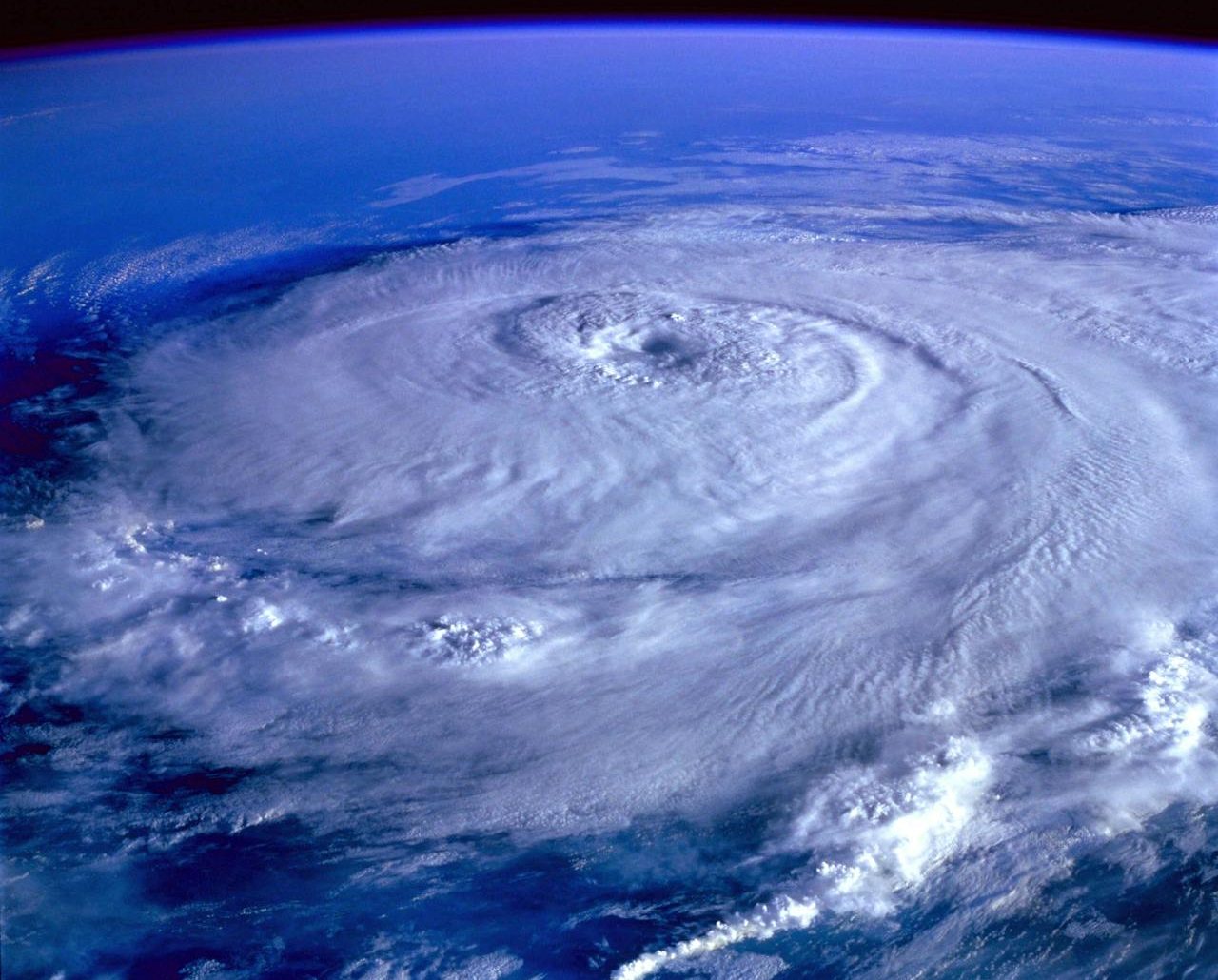
June 1 marked the beginning of the hurricane season on the Atlantic coast of the US according to the National Oceanic and Atmospheric Administration’s (NOAA) National Weather Service. So far so good, as there haven’t been any hurricanes yet, but you know they’re coming – even if you don’t know when.
I bring up this fact because of a conversation Jay Bolden and I had a few months back with Shawnee Harle, a mental toughness coach, on our From the Coach’s Mouth podcast. This link goes to that specific episode, although you’re always free to browse all the content we’ve created to date.
In that episode Shawnee made the statement that even when things are going well athletes must always “prepare for the storm, because the storm is always come.” What an awesome way to approach it, don’t you think? That’s why I thought today why not dig into that analogy a little further?
Think about what is (or at least should be) happening right now along the Gulf of Mexico and the entire Eastern seaboard. So far there hasn’t been much hurricane or even tropical storm activity.
Yet NOAA is predicting a 60% chance of an above-normal hurricane season. If that occurs it means tremendous risk to life, health, and property in the affected areas.
The people in those areas should know by now how bad things can get, so if they’re smart right now they are laying in supplies such as bottled water, non-perishable food (including pet food for those who have pets, or just prefer the taste themselves I suppose), cleaning supplies, toilet paper, batteries, flashlights, candles, and other essential goods that could be in short supply should a hurricane hit their area.
They should also be checking to ensure the bungees they use to tie down outdoor furniture are in good working order, that their plywood is ready to cover the windows, and that other precautions are available and accessible. There isn’t a storm right now to deal with, but they know a storms is inevitable and that they should be fully prepared for when it comes.

The same is true for athletes in general and fastpitch softball players in particular. Fastpitch softball is a game built on failure, designed to break your heart.
Or to paraphrase Billy Bob Thornton in the Bad News Bears remake, “(Softball’s) hard, guys. I mean, it really is. You can love it but, believe me, it don’t always love you back. It’s kind of like dating a German chick, you know?”
Even when things are going great, there’s always a monster lurking around the corner, waiting to take you down. You’re on a hot streak hitting and then suddenly, for no reason, you’re striking out, popping up, and grounding out on a regular basis.
You didn’t change anything in your swing or your approach. The game just decided you needed some humbling.
Or you’re a Gold Glove-level shortstop who one day misses a ground ball on a bad hop and the next thing you know you’re fumbling easy chances or throwing the ball into the parking lot instead of to first base. Things that were once routine are no more, and you end up with the “yips” to the point where you’re hoping the ball goes anywhere on the field except to you.
Or you’re a pitcher who suddenly can’t find the strike zone with her best pitches, and instead of dominating the dish you’re worried about walking or hitting batters. And the more you worry and try to fix it, the worse it gets.
When those or similar things happen – and they do to even the best players – that’s not the time to try to figure out what to do about it.
Instead, you want to prepare in advance for the storm, according to Shawnee. When things are going well, and you’re calm and thinking straight, THAT is the time to start preparing your plan for when things go South on you. Because sooner or later they will, and if you’re not ready you’ll see your mental lawn furniture flying by the window and you’ll be wishing you had some drinking water and at least a few granola bars to get you through the next few days.

Of course, most of us don’t do that. It’s like back pain.
We rarely do any of the stretches or exercises we should to prevent back pain. Instead, we don’t think about it until we suddenly can’t move, then desperately start looking for a chiropractor or massage therapist who can give us instant relief from our months or years of neglect.
By preparing ahead of time you will have a game plan available that you can execute when things start to go bad instead of waiting until you feel like you’re drowning.
For example, most mental game coaches will talk about how you need positive self-talk in a playing crisis so you can chase away the negatives. But it’s hard to come up with anything positive to say when you’re 0-for-the tournament and you’ve made three errors.
You’re far more likely to tell yourself that you stink and to worry incessantly that you’re going to be benched – to the point where it becomes a self-fulfilling prophecy.
But if you start writing down some positive thoughts when you’re on top of the world and tuck them away for when the storm hits, perhaps you’ll be able to push those negative thoughts out and get back on track faster.
Another idea is to create a highlight reel you can use to remind yourself of how good you really are. These days, game clips are all over the place, from parents, family friends, social media, GameChanger and other sources.
Rather than waiting until the storm is battering your psyche and then trying to find some good ones, capture a few and put them together as they happen. That way your highlight reel is just a click away and you can remember what it feels like to be on top of the game instead of under its heel.
You can put together a series of tension-relievers that will help you manage the moment too. Breathing exercises are good; rituals are good; visualization of success is good; techniques such as picking up a clump of infield dirt, squeezing all your fears, anxieties, and negative thoughts into it and then throwing them away is good.
There are lots of ways to gain control over the storm. If you’re not good at it yourself, seek out the help of someone like Shawnee who not only knows what to do but can be a calm, impartial guide who helps you face whatever demons you have and learn how to get rid of them before they take over you brain.
The key is to understand that no matter how good or great you are, the storm is coming – because it’s always coming. Just ask Simone Biles.
What you need to do is face that fact and, just like the people in the Gulf and on the Eastern Seaboard, make sure you’re prepared for that storm long before it hits.
It won’t keep the storm from hitting you. But it will sure help minimize the damage so you can get back to normal as quickly as you can again.
Hurricane photo by Pixabay on Pexels.com
Preparing for the Inevitble Storms

On this week’s episode of the From the Coach’s Mouth podcast, Jay Bolden and I spoke with Shawnee Harle, 2X Olympian with the Canadian Basketball National Team and now a Mental Toughness Coach with her own business called Winning Matters. While Shawnee had a lot of great insights into the mental game, there was one concept in particular that has been on my mind today: preparing for the storm.
Shawnee said that what most athletes and coaches miss is that there is always a storm coming – kind of like Florida during hurricane season. It’s not a question of if, but rather than of when.
Through experience, most people in Florida have learned that when a hurricane is on its way it’s best to put up the plywood over the windows, lock down anything that can be easily lifted (such as patio furniture), and lay in supplies such as food, water, toilet paper, and bandages so they’re ready for when the storm hits.

If it’s not that bad that’s ok – all they lost was a little time and a little storage space for supplies they didn’t need after all (but can use later). If it is bad, however, they have what they need to get through it until the storm passes and things get back to normal.
Unfortunately, many coaches and athletes like to pretend that the storm isn’t going to hit them. “I’ve put in the work,” they say, or “the negatives won’t hit me if I just stay positive.” But that’s a fool’s position.
According to Shawnee, the storm hits everyone sooner or later. Pitchers have a rough outing or two, or suddenly lose their best pitch for no apparent reason. Hitters go into slumps out of nowhere.
Catchers suddenly can’t throw baserunners out or start having pitches they’d normally catch glance off their gloves. Fielders start making fielding errors or sailing balls high instead of throwing to the base.
No one knows why the softball gods suddenly become angry and throw their wrath at a particular player. They just do, and it happens to everyone.
So knowing that, the question is what are you doing to prepare yourself (or your players)? Have you thought about how you’re going to deal with it and get back on track or are you going to allow yourself to get caught by surprise and then try to ride it out?
Now, some coaches will take the “Suck it up buttercup” approach. They see a problem and think if they tell players to “toughen up” or to “get your head in the game” they will solve the problem.

In reality, they will most likely make it worse.
The better approach is to heed the old saying “In times of peace, prepare for war” and start getting your mental game toolkit together before you need it. Just like smart Floridians gather up their supplies ahead of the hurricane rather than during the middle of it.
There are plenty of resources out there that can help you learn how to prepare for the coming storm. A mental toughness coach such as Shawnee is certainly a good one, especially if you’re playing on a bigger stage where the pressure is extreme.
But there are plenty of self-help options out there. The book Heads-Up Baseball: Playing the Game One Pitch at a Time is a great starting point in my opinion. It’s easy to follow, with great exercises that help you learn to control yourself and understand what else you can or cannot control.
There are many other books, videos, and training tools as well, all designed to address the storms that are inevitable in sports as well as in life.
The key, though, is not to wait until you’re facing the storm but to get out ahead of it. You wouldn’t suddenly try to learn how to hit or pitch or perform any other skill in the middle of a season.
You shouldn’t wait until you’re in the middle of a crisis to try to develop the skills you need to get out of one either.
If you polled 1,000 coaches and athletes and asked them how important the mental game is to success, I’d bet the overwhelming majority, like 90%+, would say “very important.” Ask that same 1,000 how much time they spend on it, though, and you’d probably get an answer of 5% of their time or less.
Face the facts: the storm is coming. It might not be today, or even tomorrow, but sooner or later it will hit. Start preparing for it now and you’ll find you’ll get through it faster and stronger.






 Life in the Fastpitch Lane