Blog Archives
The Power of a Kind Word (or Two)

A couple of nights ago one of my hitting students, we’ll call her Persephone (for no reason other than it amuses me), came in for her first lesson in a few weeks. She is playing high school ball right now and has been tearing it up for the most part, but Persephone has had a little less success lately and decided it was time for a tune-up.
Her dad walked in before her and gave me a heads-up that Persephone had had a rough game that night, going 0-3, and was also having a little family-based teen angst on top of it. Always nice to have some warning in those cases.
When Persephone came in (wish I’d picked a name that is easier to type) I could see her mental state was no minor issue. She was an emotional pot ready to boil over.
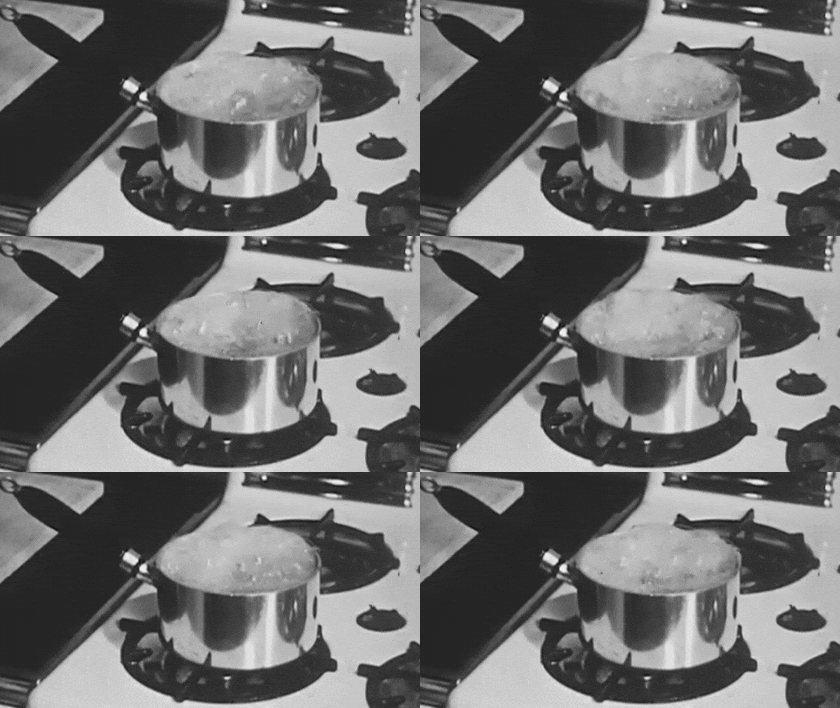
She was trying to keep the lid on it, but it was rattling pretty hard. Most of the time she is a pretty even-keel, laid back young woman but even the toughest among us can get overwhelmed at times, and that’s what was happening here.
We started into the lesson and I asked her about the game. She told me she just couldn’t hit the pitcher, and in particular was unable to touch her curveball. Persephone told me she was swinging and missing it by quite a bit.
Her dad had told me in the beginning that it wasn’t just Persephone who had that trouble that night; the opposing pitcher was one walk shy of a perfect game. But Persephone is a team leader who sets high standards for her performance, so it didn’t matter to her that everyone else struggled; she felt she could have and should have hit that girl anyway.
I talked to her some about the mental game, staying focused on the process instead of outcomes, keeping it simple, how to relieve stress at the plate, all of that. It helped somewhat.
When I went to front toss I identified a mechanical flaw too – she was pulling her front side out instead of hitting around it, so it’s no wonder she couldn’t touch those outside curveballs. She made the correction and started hitting a little better, but I could see she was still in her own head too much.
Then the miracle happened.
There was another hitting instructor doing a lesson in the cage next to us. His name is Dave Doerhoefer, and we have known each other for more years than either of us probably cares to admit.
Dave is a friend as well as a great coach, and we often have chats about the current state of the sport, especially when it comes to teams playing too many games and not practicing and teaching enough.
He was working with his student on firming up her front side as she went into rotation instead of letting it collapse but she was having trouble grasping the concept. His line of sight took him directly toward our cage and he saw how hard Persephone was swinging the bat and how sweet her technique was, so he asked Persephone if his student could watch her a few times because she has such a nice swing.
It was literally like the clouds had parted and the sun was doing a happy dance in her heart.

Dave’s question totally pulled Persephone out of her self-inflicted funk and her face just lit up. Then she started lighting up my front toss pitches too – including the outside ones.
That one simple question, which was also in effect a great, unsolicited compliment from someone that had no stake in the process but just liked what she was doing, turned Persephone’s entire approach around.
Later I thanked Dave for his kind words and told him what it had meant to Persephone. He shrugged and thanked me for telling him that, but admitted he had no motivation in it other than wanting his student to see another hitter doing what he wanted her to do in real time.
Now, I will say Dave may come to regret his kindness because in addition to being a hitting instructor he is also a varsity softball coach at Vernon Hills High School, and his team may play Persephone’s somewhere along the way – perhaps the State playoffs. But I’m sure he’s ok with it because Dave’s #1 focus is on helping fastpitch softball players get better, no matter if they are his or his opponents’.
The point here is it didn’t take much to make Persephone’s day and help her go from feeling bad about herself when she came in to walking on air with a big smile on her face when she left. You have the power to do the same.
When you’re at the field and you see someone do something great, whether it’s a driving big hit or making a diving catch or throwing a knee-buckling changeup or making a heads-up slide, don’t just admire it to yourself. Find that girl after the game and tell her – even if she’s on the opposing team. That goes for parents as well as coaches.
You never know what someone else has been going through, and those few kind words may be just the inspiration they need to keep fighting and overcome their struggles. It only takes a few seconds, but the ripple effect from that encounter might just alter the trajectory of a life in a positive way, even if just by a few degrees.
And the best part? Offering up a sincere compliment now and then doesn’t cost you anything but a little thought and time.
I know some of the happiest stories my students tell me are when an opposing coach or parents tells them they did a great job. So this weekend, get out there and if you see something good say something good about it.
You never know who needs to hear it.
My good friend Jay Bolden and I have started a new podcast called “From the Coach’s Mouth” where we interview coaches from all areas and levels of fastpitch softball as well as others who may not be fastpitch people but have lots of interesting ideas to contribute.
You can find it here on Spotify, as well as on Apple Podcasts, Pandora, Stitcher, iHeart Radio, or wherever you get your podcasts. If you’re searching, be sure to put the name in quotes, i.e., “From the Coach’s Mouth” so it goes directly to it.
Give it a listen and let us know what you think. And be sure to hit the Like button and subscribe to Life in the Fastpitch Lane for more content like this.
Lead photo by Pixabay on Pexels.com
Put A Little Swagger In Your Swing
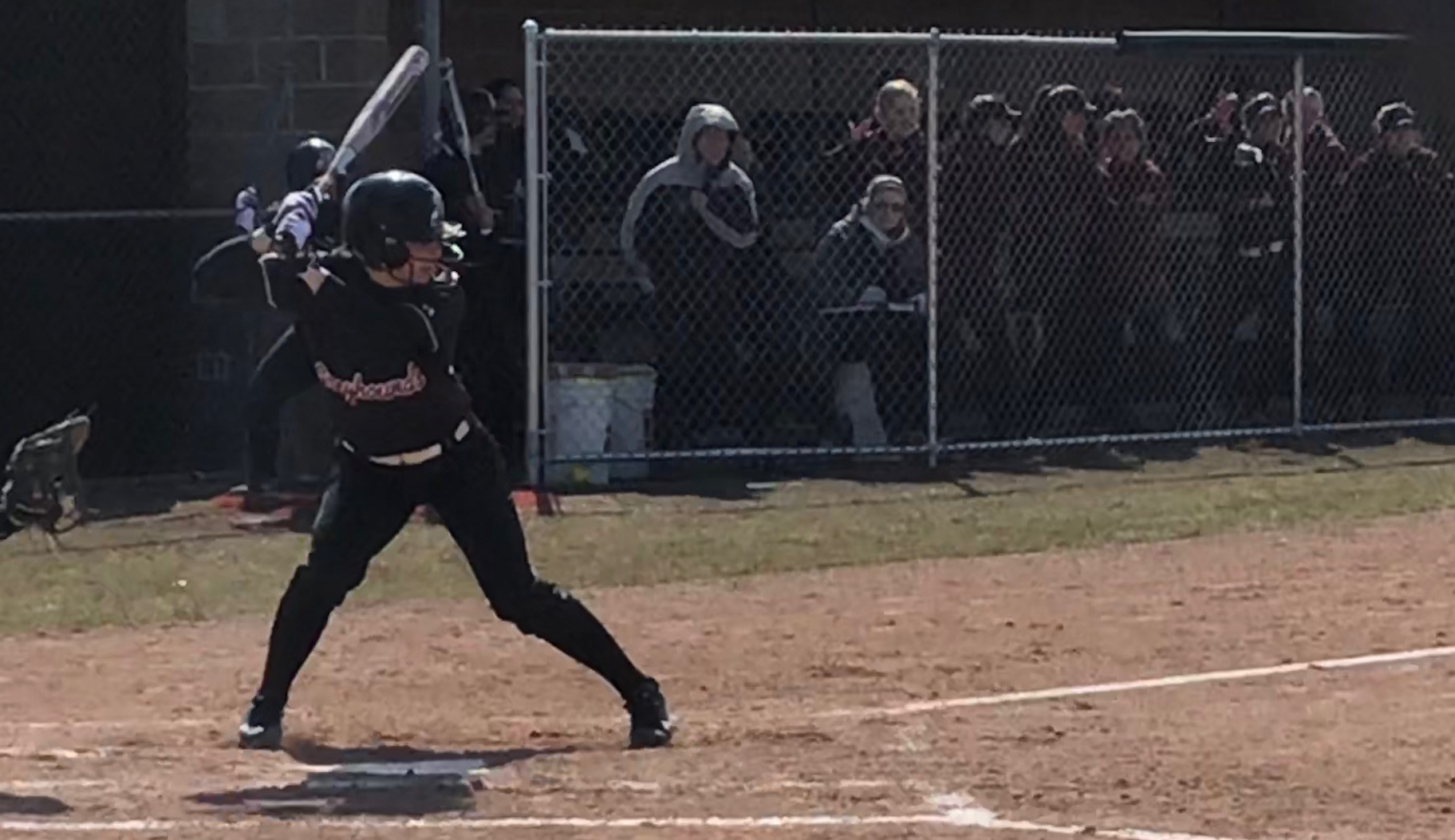
Baseball legend Ted Williams once said that hitting a baseball is the hardest thing to do in sports. I think it’s safe to say that not only does that statement extend to fastpitch softball, but it may apply even more given that the actual time to read, react to, and hit a pitch is comparable, but the pitchers stand closer and the ball can move both up and down through the zone (where a baseball is always traveling on a downward plane).
The point here, however, isn’t to argue that one is tougher than the other. It’s more to acknowledge that they’re both extremely difficult (as anyone who has ever done it can attest), which means any given at bat can be both exhilarating and frustrating.
That’s the reason why hitters (and their coaches) spend so much time studying the swing, and working on the swing, and sweating all the details. The goal is to create mechanics that enable hitters to get to the ball on time and hit it well and effortlessly when they do make contact.
Yet here’s the thing: while better mechanics definitely help you get to the ball more powerfully and efficiently, mechanics alone are not enough. After all, there are no style points in fastpitch softball. A beautiful swing and miss in a game is still a strike. An ugly swing that results in a fair ball no one catches is still a hit.
So yes, it takes more than good (or great) swing mechanics to be a successful hitter. You also have to have the right mental approach – one than enables you to walk to the plate with cool confidence, knowing that you are prepared to win the battle between the pitcher and you. I like to call it the “gunslinger mentality.”
And what better example of that mindset is there than Val Kilmer’s portrayal of Doc Holliday in the movie Tombstone? In the most tension-ridden situations he brings a sense of cool calm that not only helps him prepare for a possible gunfight but also helps avert the crisis by striking fear into the heart of his adversary.
If you haven’t seen the movie (or if you have and just want to enjoy it again), here’s a good example of Doc at his “I’ve got this situation under control” best:
And yes, the man with the rifle really is a very young (and a bit heavier) Billy Bob Thornton.
Here’s another fun example:
The movie is filled with them. In each you see that it isn’t just his reputed skill with a gun but his attitude that carries the day.
(In reality, incidentally, it’s generally believed that while Doc did have a fast draw he wasn’t exactly an accurate shot. He also killed far fewer men than he let on, probably so he wouldn’t actually have to be tested in a gunfight. But I digress.)
The key takeaway here is the swagger he brings when he walks into a tense situation, like the potential showdown with Johnny Ringo in the second clip. His “I’ve got this” attitude helps him prepare for whatever comes next.
That’s the kind of attitude hitters need to bring to the plate. Rather than worrying about the situation, or how good the pitcher is supposed to be, or whether coaches/parents/teammates will be mad at her if she fails, or any of the other doubts that can creep in when one steps into the batter’s box, hitters instead need to believe in themselves and their abilities.
If they’ve put in the work to develop their swings and learn how to see the ball well, it’s not them who should be worried. It’s the other team.
If you know (or are) a hitter who’s great in the cage but struggles in games, I recommend watching Tombstone, or at least the Doc Holliday clips on YouTube, to see what cool confidence looks like. (The whole movie is great, even if you don’t particularly care for Westerns, so it will be time well spent.)
Then encourage them to adopt a similar attitude as they step into the batter’s box. Stare down that pitcher. Give her a little smile. And finally, swing like they have everything under control. You’ll be amazed at the difference a little swagger can make.






 Life in the Fastpitch Lane