Blog Archives
Some Players Make You Look Like a Better Coach; Others Make You Become One
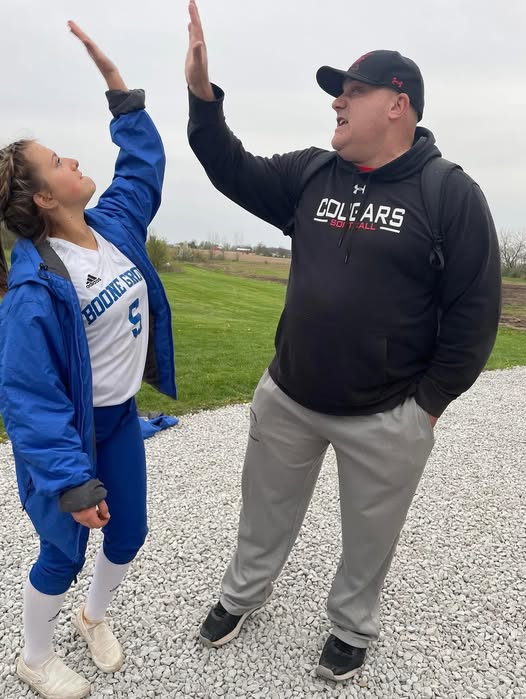
Anyone who has coached for any period of time knows there are basically two types of players.
The first type makes you look like a better coach. You know the type.
You can pretty much tell them anything – even if it’s the stupidest possible thing you could say – and they will be successful. They have the raw athleticism to find the right way to do things because their bodies just intrinsically understand how to move.
You can put them into a position they’ve never played before and they will look like they’ve been doing it all their lives. In fact, people on the sidelines will probably wonder why you HAVEN’T had her there the whole time.
Then there are those who make you become a good coach.
They have not been blessed with tremendous natural athleticism. While some are reasonably competent on their own, many have no real idea how to move their bodies in anything even resembling an athletic way.
You how them how to swing a bat and then they stand flat-footed and pull the bat around as if it’s a sledgehammer. You try to show them how to catch a ball and it looks like they’re afraid it’s going to bite them.
You try to show them how to throw the ball back and it looks like someone trying to unfold a one-person tent (or put away one of the old Jugs pop-up nets).

And pitching? Fuhgeddaboudit. If there’s a way to do it right, she will immediately find its polar opposite.
The ones who make you look like a good coach are really fun to work with, no doubt about it. And they’re good for the ego too.
A lot of coaches love to point to their very best players and show them off as though it was their great teaching that made them the way they are. Surely the coach helped them with that process.
But as I always say, if it was the coach who made them so good then all of that coach’s players would be equally as good. They’re not.
Often, though, it’s the ones who make you a good coach who have the most impact on your life. First of all, you can’t just tell them any old thing and have it work.
You have to figure out how to explain things to them, or demonstrate things to them, in a way they can understand and then execute. Often that means being creative in your approach and coming up with ways of teaching you would have never done otherwise.

The good news is each of those is unique, which allows you to build your coaching toolbox and expand your coaching reference library tremendously. All of which helps you build your own confidence as well.
There is also a lot of satisfaction in teaching a player to do something she just wasn’t capable of doing before. Seeing her get her first hit in a game, or pitch her first strikeout, or make a great catch, or make a perfect throw across the infield to get the out for the first time, gives you a feeling of pride that simply can’t be matched.
There’s no doubt that the players who make you look good will help you win a lot of games. Appreciate them when they come along, but be sure to keep your contributions to their success in perspective.
While they can be more challenging, especially in the beginning, the players who make you a good coach will likely hold a special place in your heart because you’ll know you gave them an opportunity they would not have had otherwise. It’s still up to them to put in the work, but when they do it’s magic.






 Life in the Fastpitch Lane